Describe it in plain English. Joe, our AI applications concierge, will tell you if a robot can do it, what it should cost, and what has to be true for the math to work. On the floor, in the air, or in orbit.
Steel Collar Robotics and Aeronautics is an independent dealer and a robotics research think tank. Our dealership arm sells robots and drones; our research arm ensures you have the best expertise to make your automation decisions. Both arms start with the same conversation, and there are four front doors: manufacturers on the ground, inspection and measurement in the air, satellite work in orbit, and the cities, counties and districts that buy robots for public work. Joe, Amelia, Katherine and Abe are four names for one very good AI. Each will tell you whether a robot is the answer, which class of machine fits, and what has to be true for the math to work, and each will tell you when the answer is no. When it is real, our human team takes over: confirming specifics with manufacturers, and confirming an integrator's or operator's interest and availability before any introduction.
Robots on the ground
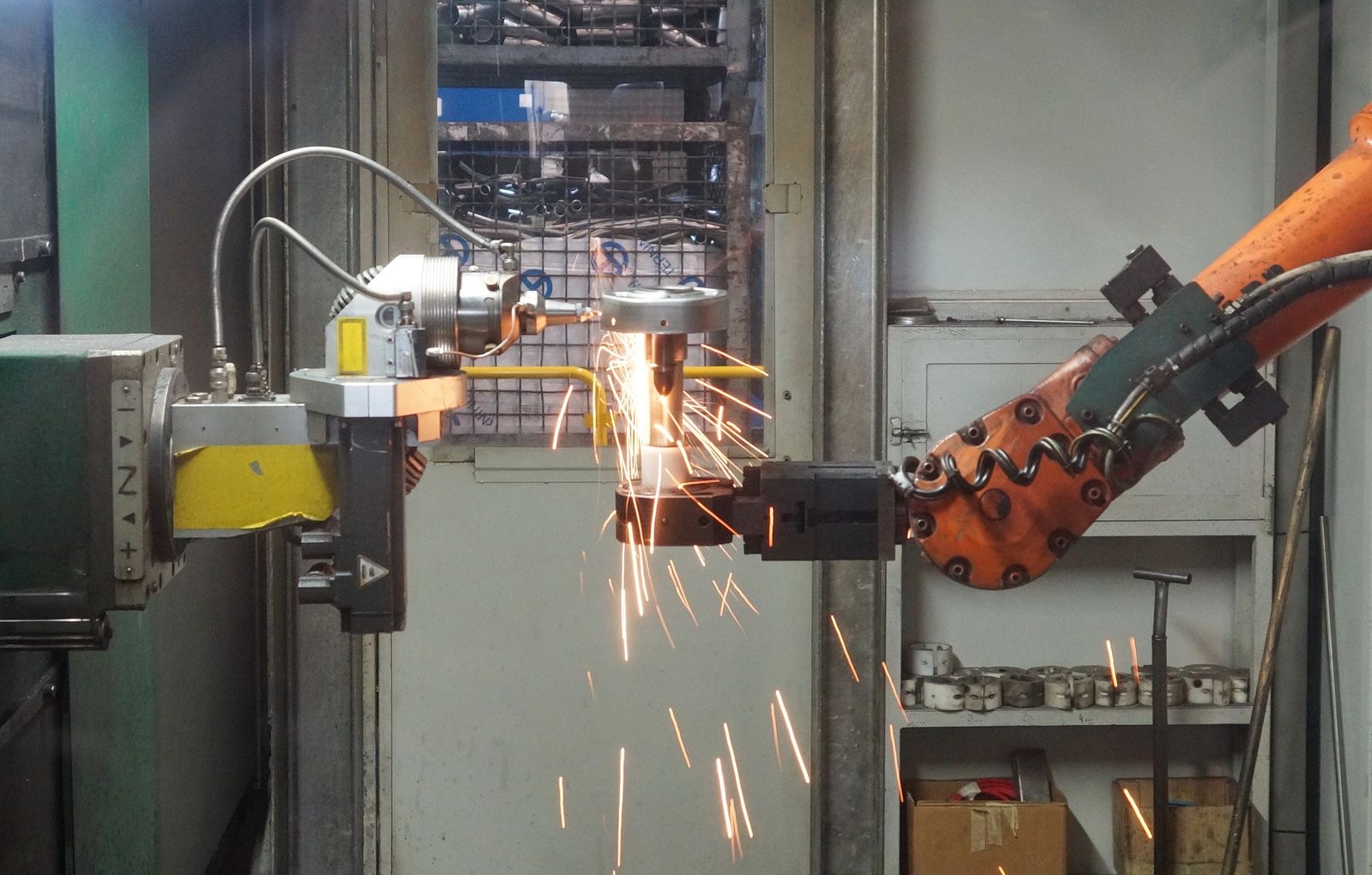
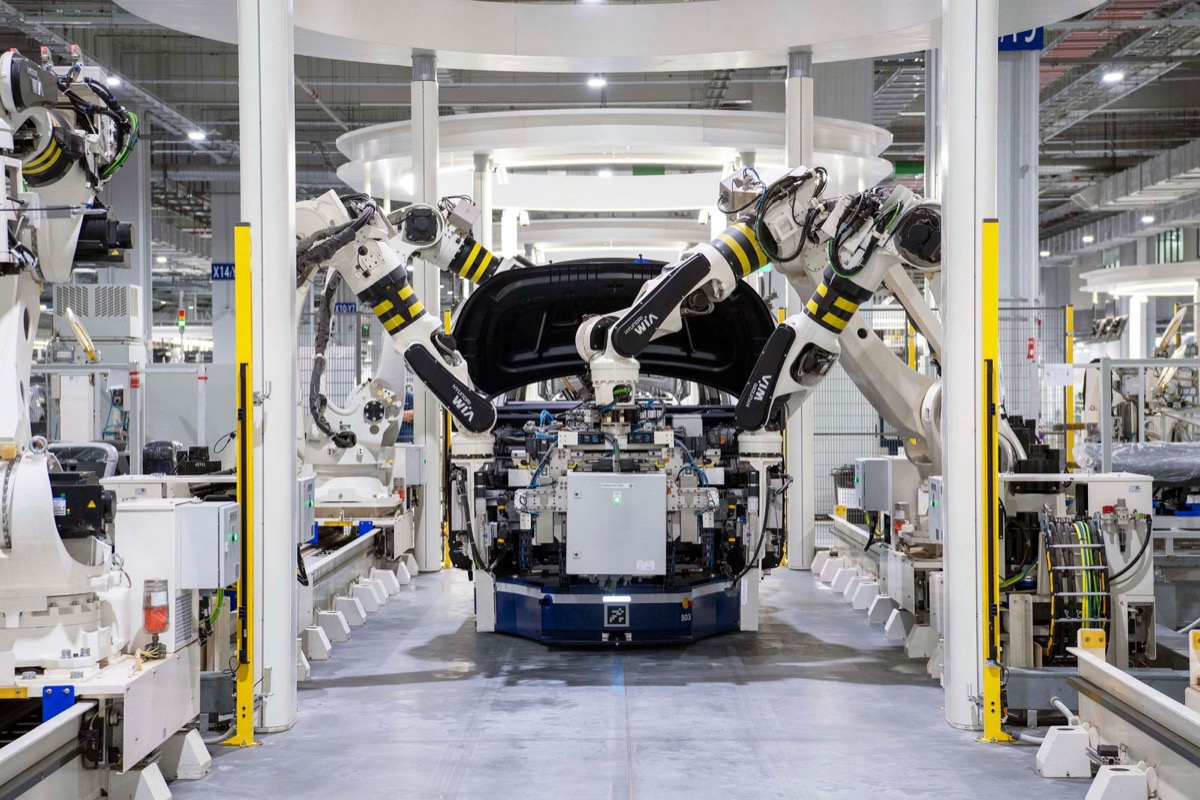
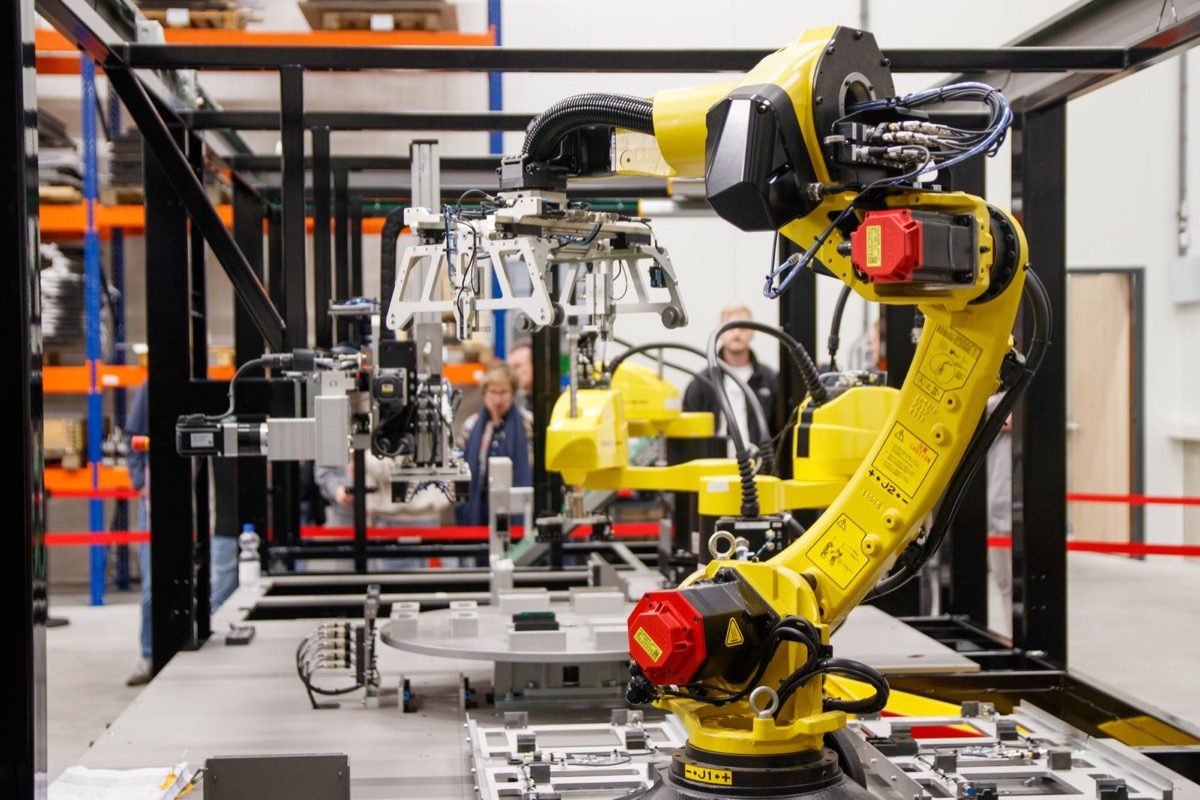
Palletizing, machine tending, welding, and the rest of the floor, backed by a matrix of 726 machines, from factory arms to patrol robots and floor scrubbers, and a bench of certified integrators. Named for Joseph Engelberger, who put the first industrial robot to work.
You are hereRobots in the air
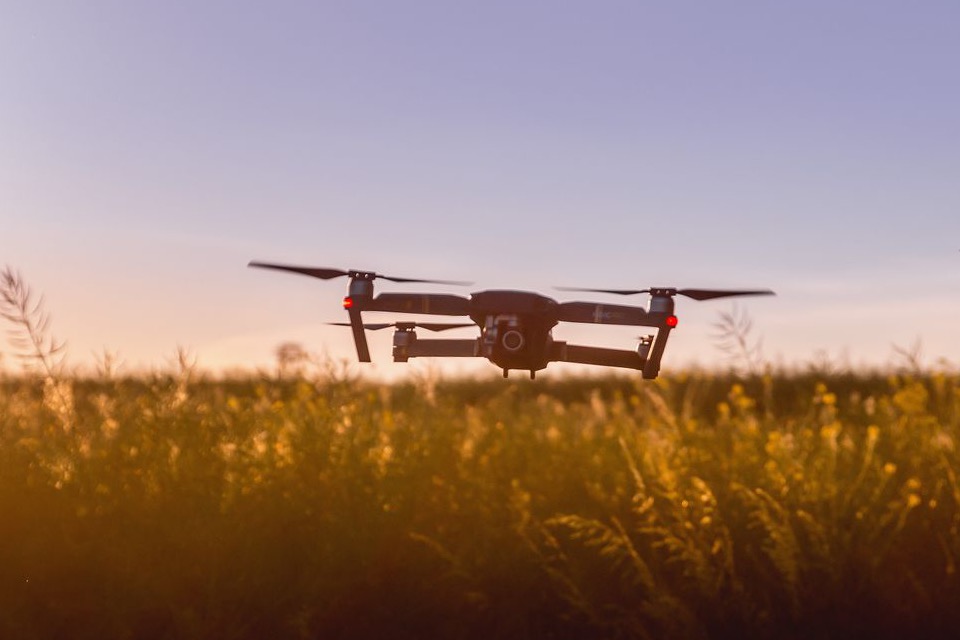
Drones for inspection, measurement and reach, from inside a boiler to open sky, with free and neutral introductions to aviation counsel when rules touch the mission. Named for Amelia Earhart.
Meet AmeliaRobots in orbit
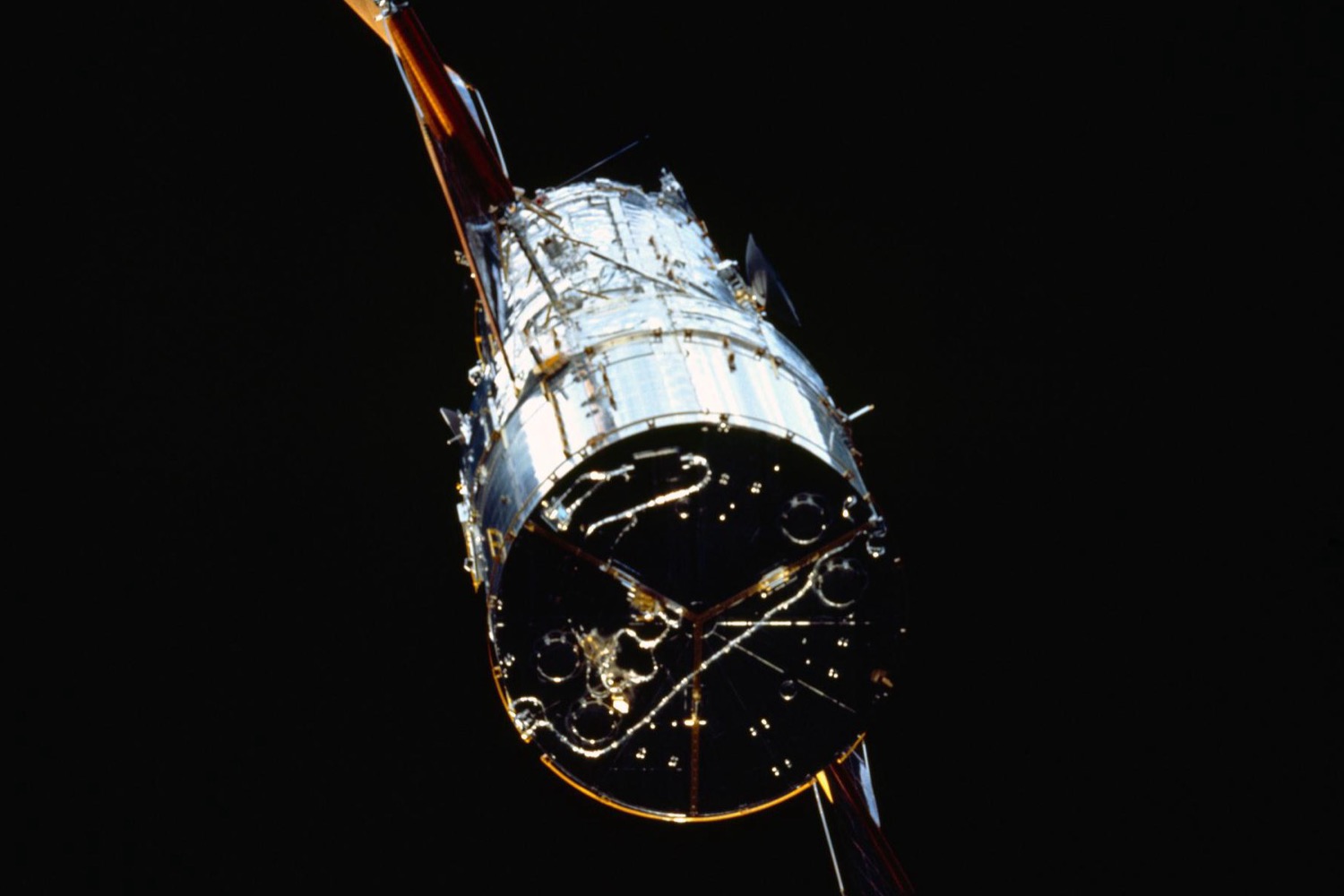
Satellite work end to end: manufacturing, buying, launch, servicing, recovery and the legal side. We find the specialists who already do it, confirm their interest, and make the introduction. Named for Katherine Johnson, whose math brought crews home.
Meet KatherineIf your job runs half an hour a day, or the fix is a three thousand dollar conveyor, or your real bottleneck is upstream of this task, you will hear it here first, for free.
Robots get bought with real money. We do not do fake precision, and we show every assumption behind every payback figure.
Cell design, guarding, risk assessment, and safety validation belong to independent certified integrators. We introduce you to ones who have built your application before.
We carry multiple robot brands and we earn a margin when you buy. Because we carry many brands, our answer can be the one that actually fits, including none of the above.
Plain words. The concierge asks the questions a good applications engineer would ask: part weight, rate, shifts, space, power.
Automatable or not, what class of cell fits, an equipment range, an integration range, and payback math built from your own numbers with every assumption shown.
See the configuration priced, or meet an integrator who has built this before. Or take the read and walk. It is yours either way.
Seven questions an applications engineer asks first, scored the way our guides score them, with the read handed to Joe in one click.
Simple payback, five-year net and the version where you were 30 percent too optimistic, from your numbers, not ours.
Cross-brand pairs with the manufacturer-published figures in one table and a plain reading of what the differences mean on a floor.
You cannot hire for it, and you cannot grow without it. A steel collar worker takes the shift you cannot staff: palletizing, machine tending, welding, packing, the repetitive jobs your best people should not be stuck doing. This is not about replacing your crew. It is about the three open reqs you have not filled in a year.
Documented deployments from real manufacturers: what got automated, with what equipment, at what published cost and payback. Vendor claims labeled as vendor claims, so you know which numbers to trust. Read the casebook, or ask Joe for examples in your industry.
The process library covers specific jobs rather than job families: palletizing bags, denesting trays, deburring castings, destacking sheet, checking a part is present. Each one tells you when it is worth automating and, just as often, when it is not.
The arguments we make to customers before they spend money, and the stories of what changed when they listened. Size for peak and not average. The gripper is the project. Why we will not tell you a cell is safe. The back that stops hurting.

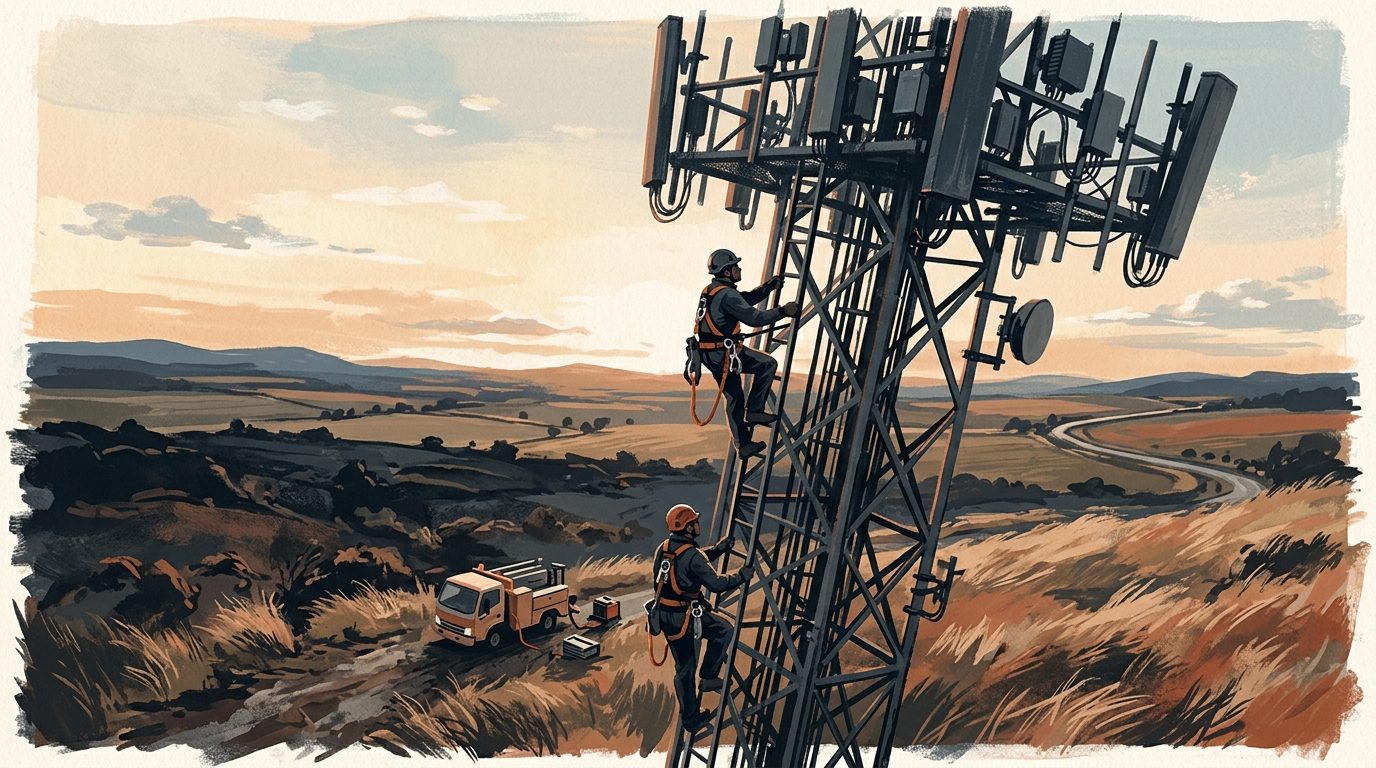
A cell tower climb is a day's work for two people in harnesses, and a bridge inspection used to mean a snooper truck hanging an engineer over live...

A utility-scale solar site can underperform for a year without anyone being able to say where. One operator in Texas put a docked drone on the site...

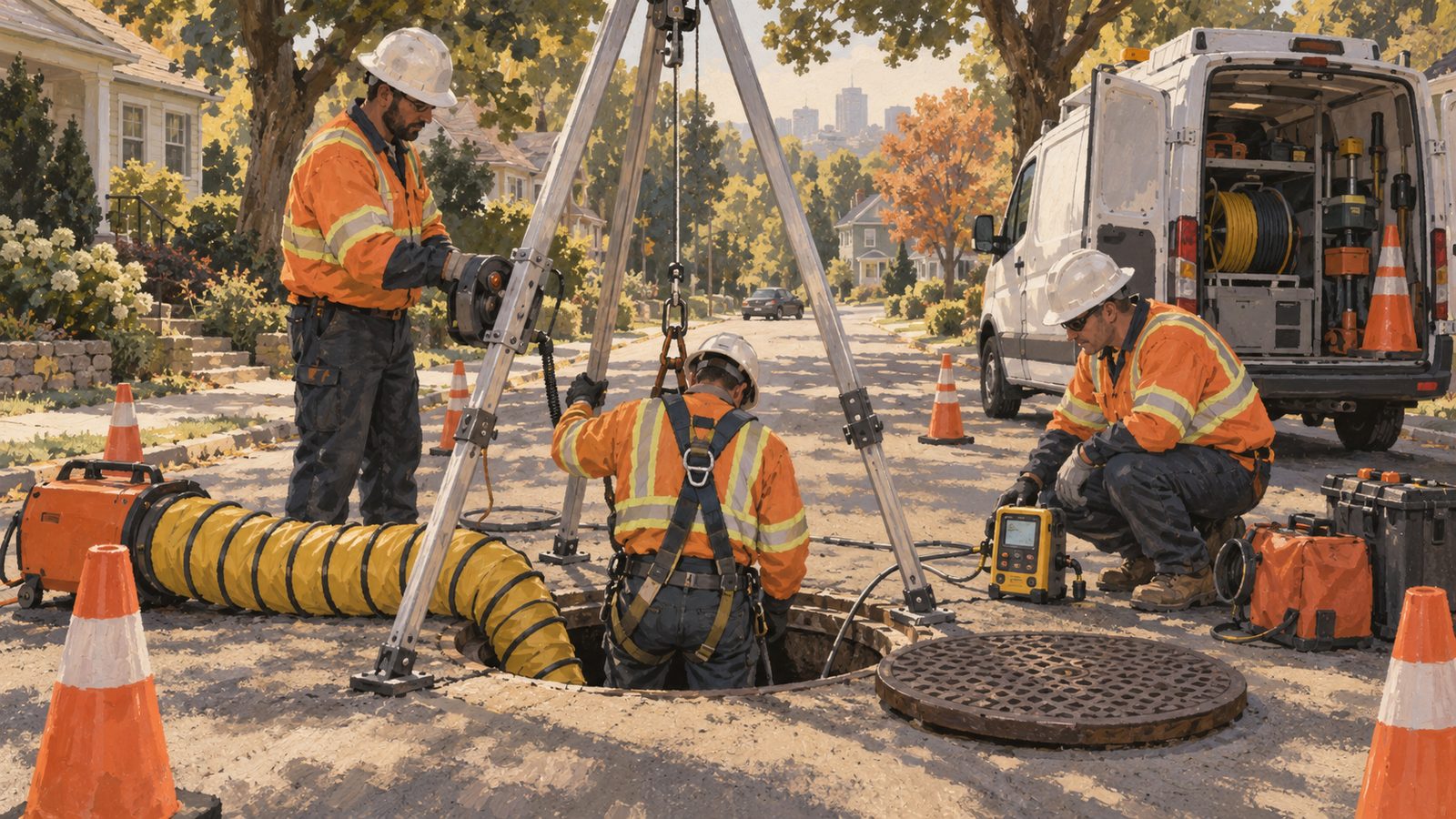
A sewer inspection used to mean a confined space entry into the worst air in the city, or a tethered camera that needed the line cleaned first. A...

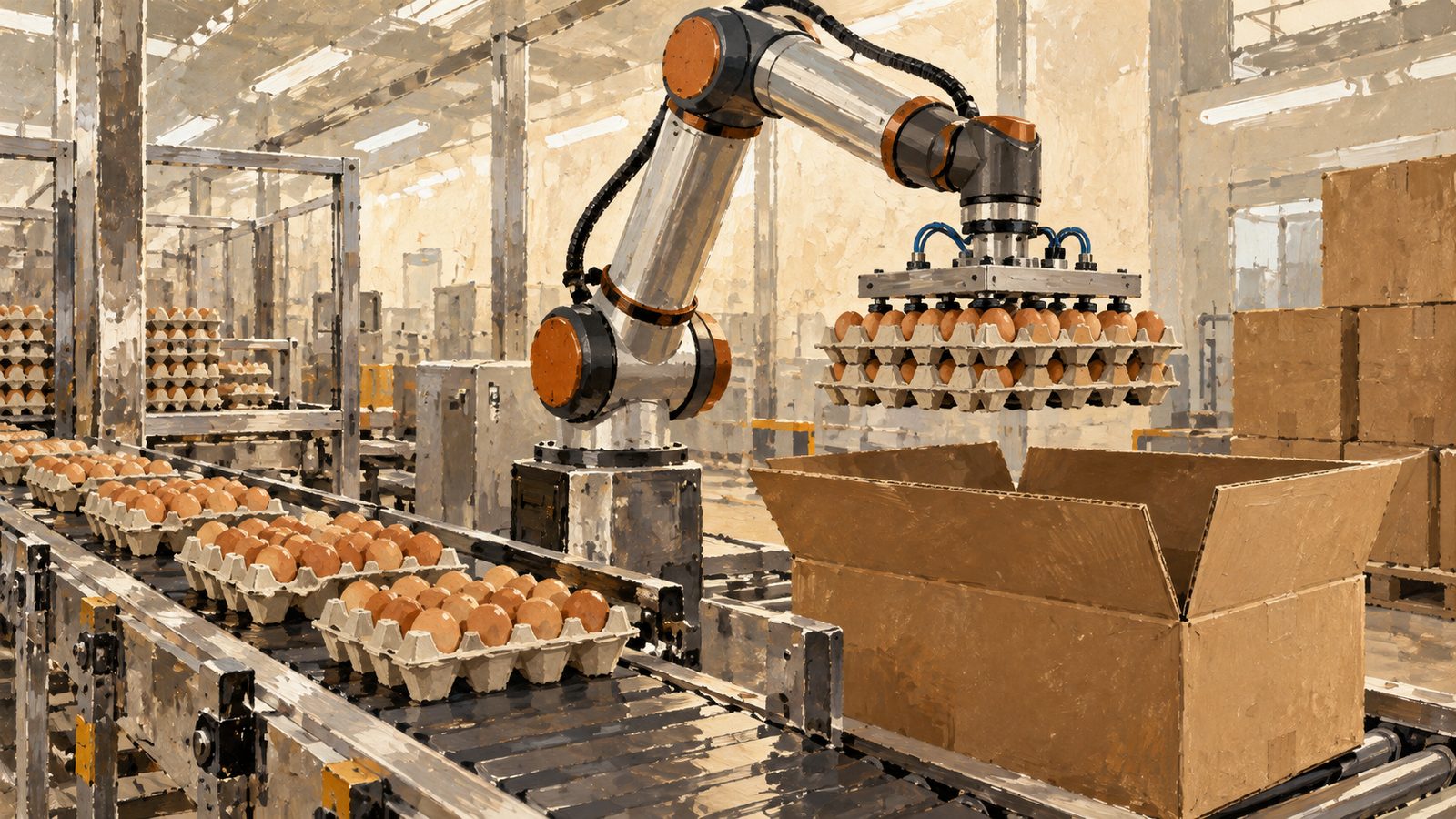
Eggs and fresh herbs are the last things most people expect a robot to handle, which is why the two published accounts about them are the most...

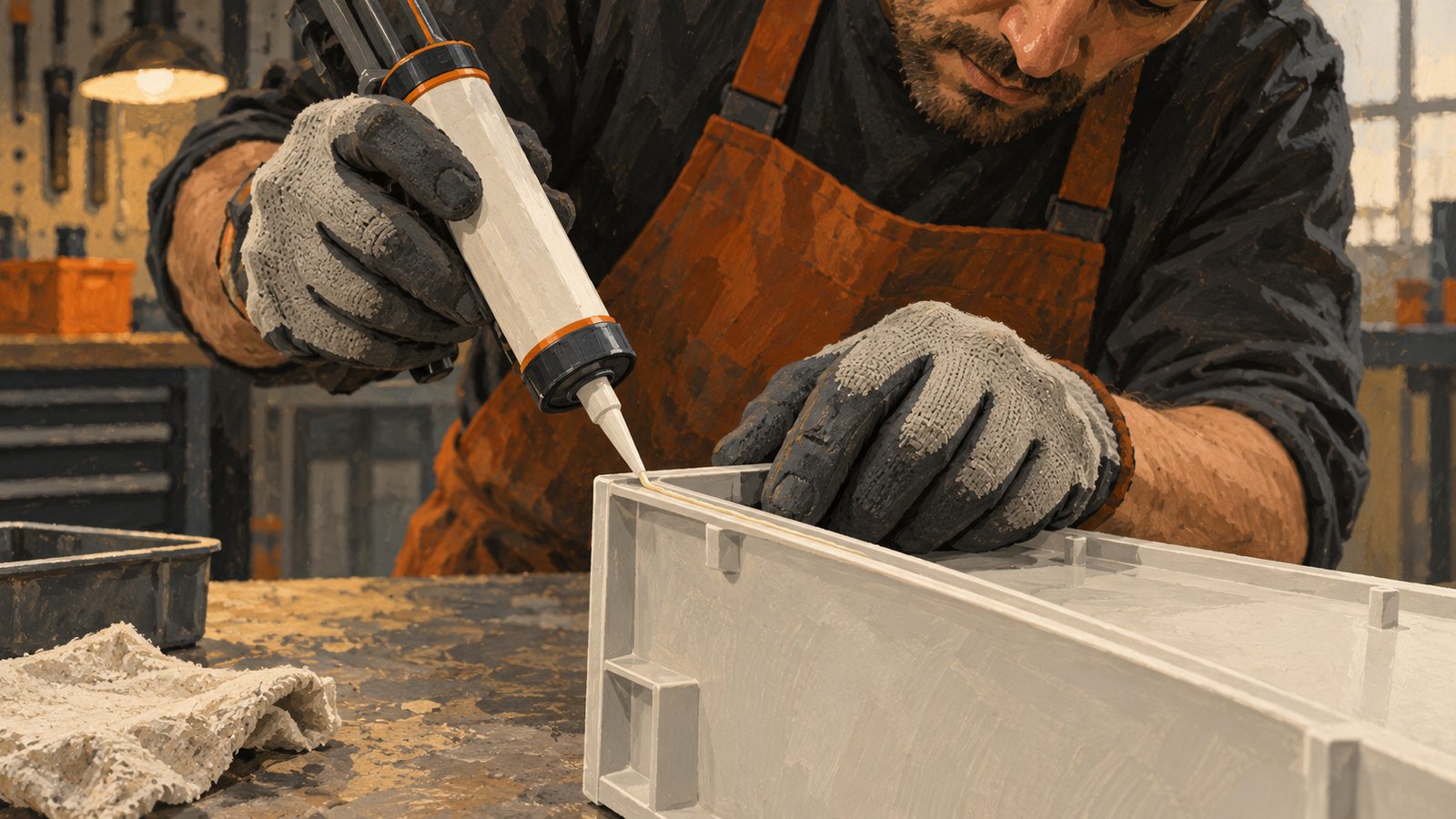
A narrow bead of glue in a channel an eighth of an inch wide is a job that punishes the human hand: tremor, fatigue, and a scrap rate that climbs...

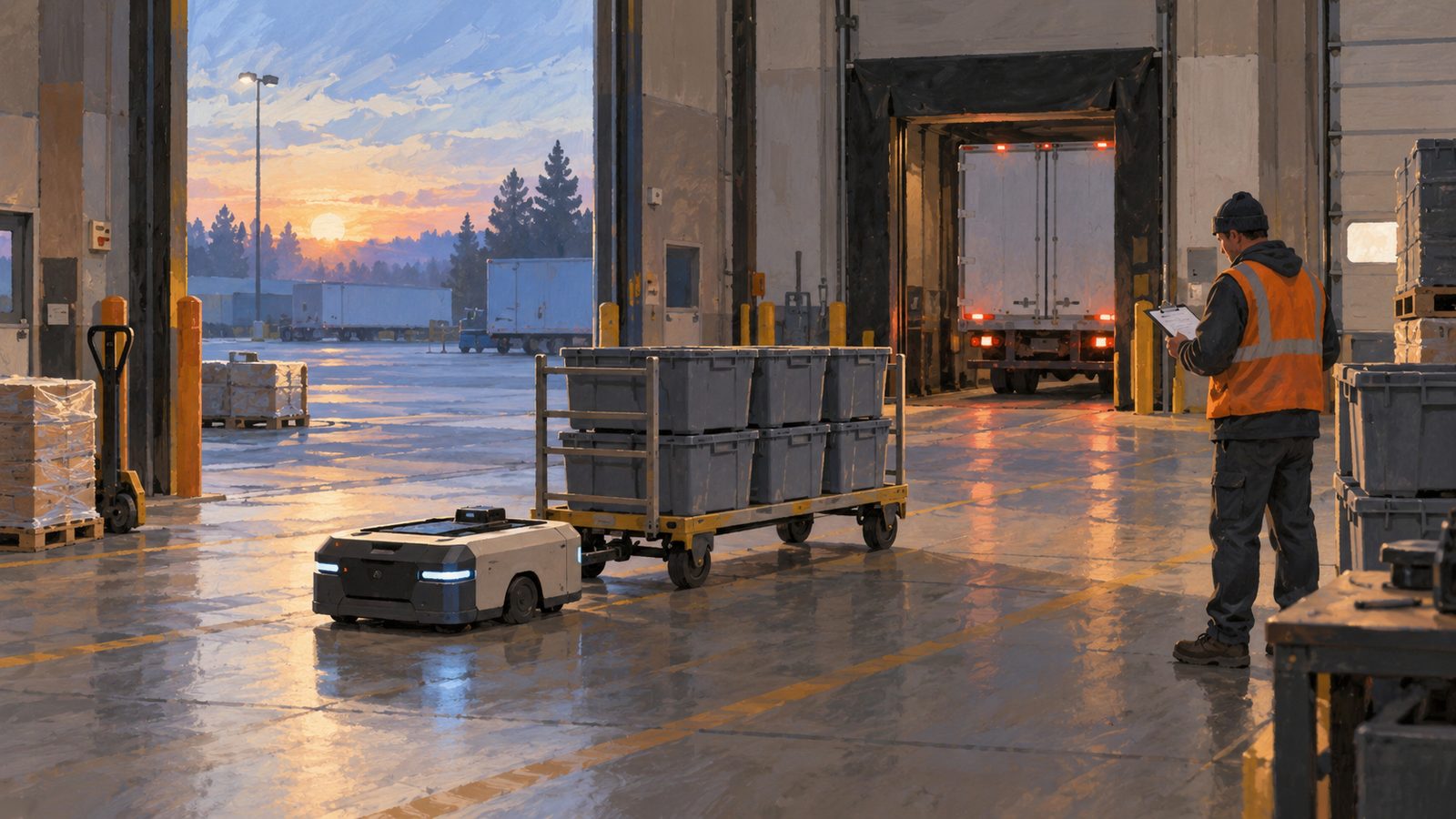
Twenty-four hours in a plant that automated the right stations and not the wrong ones. It is a composite, assembled from the published deployments in...